The Kurow Duntroon Irrigation scheme began operation in 1965 with an open race canal scheme installed by the Ministry of Works. The original scheme brought water from the Waitaki dam to 1600 ha of farmland below the dam, on the south bank of the river.
The original scheme had considerable limitations due to the unlined water race and physical geography. The scheme was upgraded with a pump to lift water into a new canal in 1971, but it still only operated as an open race system and required strict rostering to ensure that water was managed as effectively as possible. In 2018 the scheme underwent a major upgrade to create more efficient water utilisation. The project involved construction of 59 km of piped irrigation infrastructure, doubling irrigation capacity from just under 2000 ha to 4000 ha. The upgrade was funded by an issue of new shares, and a commercial loan from Crown Irrigation Investments Limited and the Waitaki District Council. Construction was completed in 2021.
6
Pump stations
59km
of pipe
$58M
estimated infrastructure value
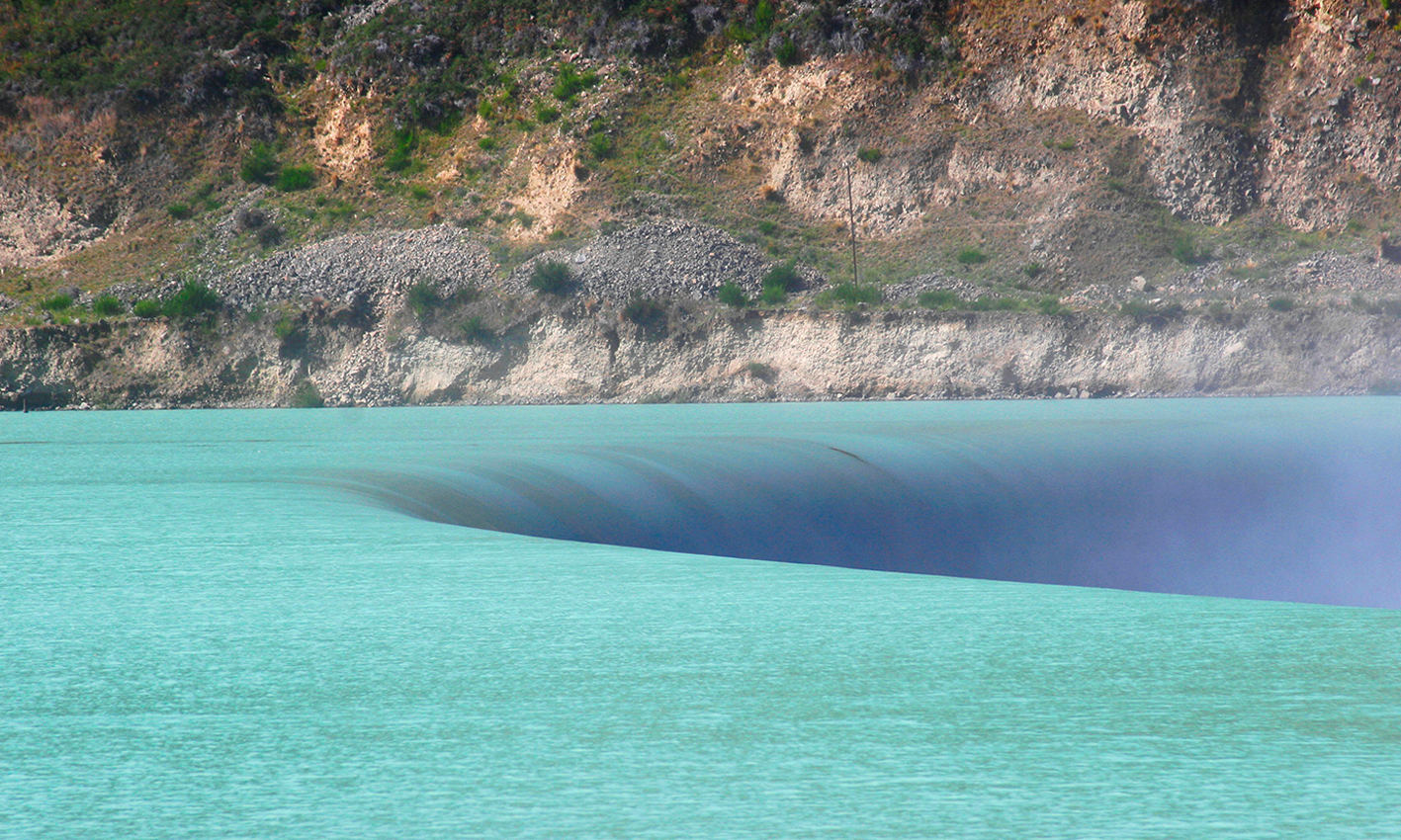
The KDIC Scheme draws water through a siphon intake structure located on the southern side of the Waitaki Dam. The intake features a self-cleaning, rotating wedge-wire screen and can be isolated using a slide gate. From there, water is piped to the command area downstream of the dam.
The scheme delivers up to 2,750 l/s via a pressurised piped network, comprising approximately 60 km of steel, glass-reinforced plastic (GRP), high-density polyethylene (HDPE), and medium-density polyethylene (MDPE) pipes. All pipelines are buried at least 750 mm deep to prevent interference with farming activities. The entire alignment is GPS-mapped for efficient maintenance, and marker pegs are installed to remind landowners of the infrastructure’s location.
There are currently 84 farm offtakes which supply water to property boundaries, plus a number of expansion points for future growth. Offtakes range in size from 25 mm to 350 mm. Across the network there are 111 valves; these are installed and fenced above ground for protection from livestock.
The scheme includes six pump stations: one vacuum pump station near the dam removes air from the siphon to improve efficiency, while the others are strategically positioned around the network to maintain pressure and deliver water to higher elevations. Each pump station is fitted with pumping equipment and electrical control gear. The number of pumps operating at any one time may vary from one small jockey pump through to all booster pumps, depending on the downstream demand.
Daily operation and maintenance of the scheme is managed under contract by Waitaki Irrigation Management Ltd (WIML).
KDIC supplies water for a number of different property types, needs, and uses including horticulture, sheep, beef and dairy operations, as well as small lifestyle blocks. Water is allocated on a per share basis, to a maximum of one share per hectare. One share entitles the shareholder to 0.5 L/sec as a rate of take, with an annual volume of 6,000 m3 for spray irrigation. Borderdyke users may take up to 10,000 m3 per share per annum, at a rate dependent on the size of their offtake aperture. Water allocation through the distribution network is available on-demand, except for the properties on border dyke rosters.
Share ownership is subject to a Water Supply Agreement in the form of a registered encumbrance against the property title. Shares are subject to on-going monthly charges. These include fixed components to cover operating and finance costs and a variable component reflecting the amount of water used. Water use is measured by a meter at the offtake and data collected by WIML.
A Scheme Management Plan (SMP) has been developed in accordance with the conditions of the scheme's resource consents with Environment Canterbury. This document outlines the responsibilities, practices and procedures that KDIC have in place to operate the take and delivery of water, and to monitor and manage the environmental effects of the use of this water from the Scheme. Shareholders should be familiar with the SMP and the requirements within this document. The SMP is reviewed annually.
KDIC is governed by a board of up to six directors - a mix of farmer shareholders and independents. The current Board of Directors is John Wright (Chairman/Independent), Andrew Black (Farmer), Richard Metcalfe (Farmer), Calum Reid (Farmer), Stephen Tubbs (Independent).