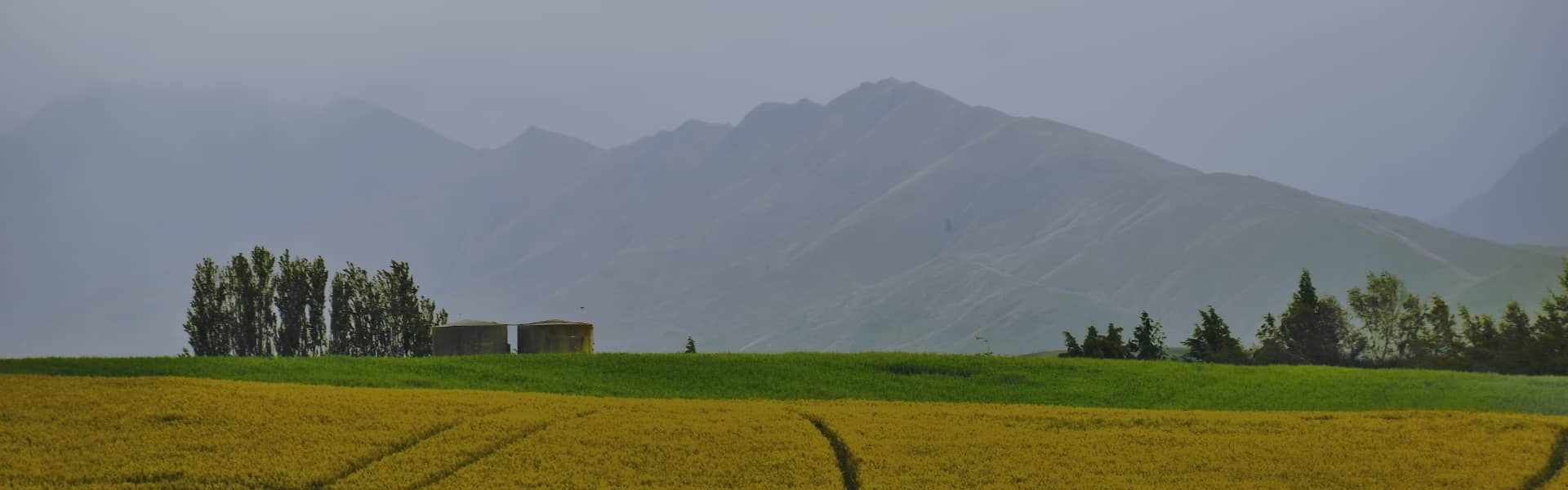
Irrigation has had a profound effect on farming systems, the economy and the social fabric of the Waitaki district. Historically, irrigation schemes were fiercely independent. As the supply of water has become more restricted and the regulations around environmental outcomes more complex, the Waitaki schemes have chosen to pool resources under a professional management structure.
To deliver cost-effective, reliable water, alongside environmental leadership, to every farming shareholder; enabling positive social and economic outcomes across the Waitaki district.
The Waitaki district is one of New Zealand’s driest farming regions, with barely enough rainfall to sustain reliable pasture growth. Since the earliest days of farming in the district, local farmers dreamed of getting reliable water from the Waitaki River onto the fertile, but drought-prone soils.
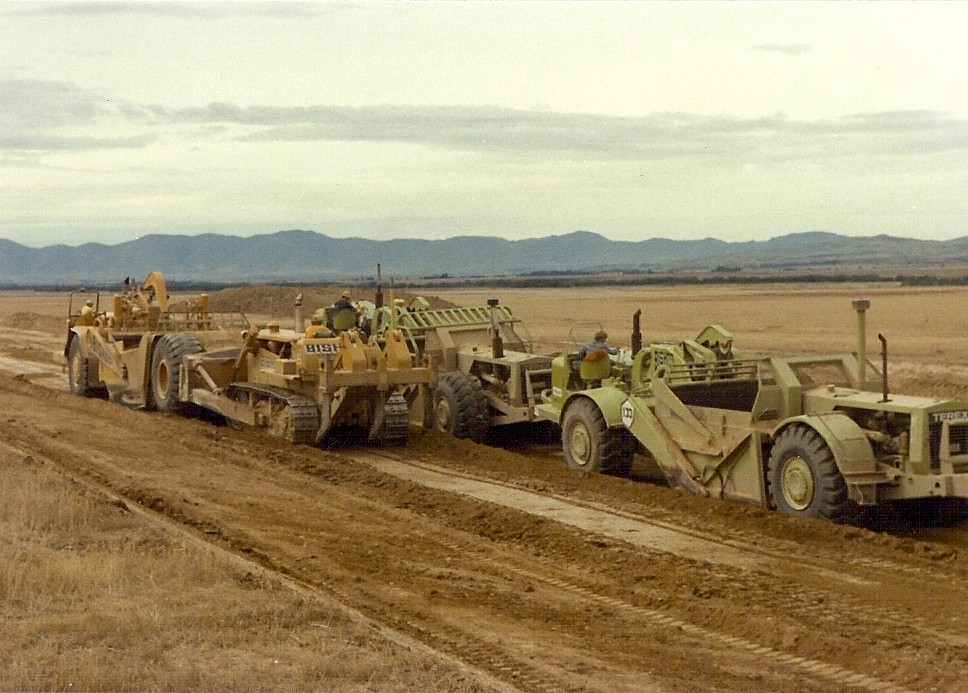
The first steps toward water security began over 150 years ago with the construction of water races for goldmining and town supply. These races did not supply irrigation water, but they laid the foundation for the funding, construction and management of community water infrastructure.
Irrigation began in the mid-1940s when the North Otago Progress League proved border-dyke irrigation was practical and profitable on the Waitaki Plains. Government-backed schemes followed in the 1960s, creating large gravity-fed networks like the Lower Waitaki scheme. By the late 1980s government reform shifted ownership to farmers, who formed companies to own and manage their schemes.
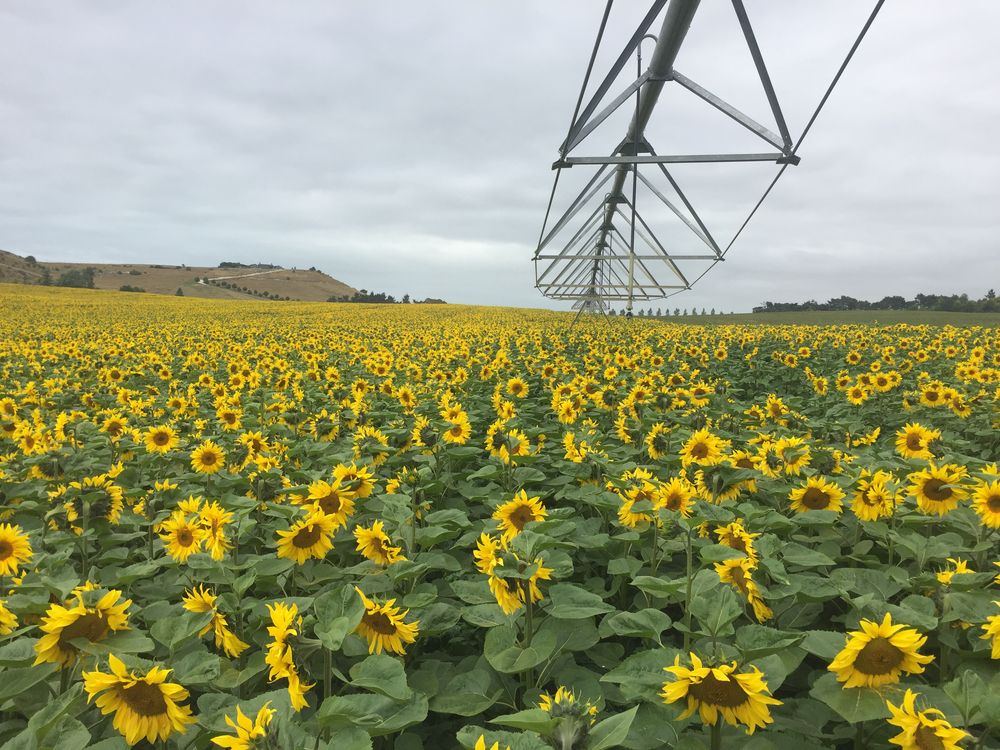
Today, irrigation in the Waitaki district is a story of innovation. Open races have given way to efficient piped systems and spray irrigation. The future brings new challenges - efficiency targets, climate change, and consent renewals - but collaboration and technology will ensure irrigation continues to underpin prosperity in the Waitaki.
The Waitaki River is the fourth largest river by flow in the country. It has been used to generate electricity since the 1930s and currently provides around 20-25% of New Zealand’s electricity. The hydro-generation schemes are required to maintain a minimum flow in the lower river, providing some of the most reliable and consistent flows for irrigation in the country.
The Waitaki Catchment Water Allocation Plan provides for the allocation of water from the river to ensure that communities, irrigators and generators are able to access this resource, while protecting the important environmental and cultural characteristics of the river. Alongside our strong focus on asset management, this ensures reliability is one of the key points of difference for the schemes we manage.

Aqus manages a wide range of water delivery infrastructure across the four different schemes currently under management. For more information on the individual schemes, please click on the button below.
Our Schemes
Aqus schemes play a vital role in the local district. Not only does irrigation create a higher level of certainty in farming, giving farmers confidence to invest, it also helps drive positive economic and social outcomes throughout both rural and urban communities.
Economic modelling shows that irrigation across the Waitaki district generates enormous farm-gate value annually. Beyond the direct economic benefits, a number of positive social changes have arisen as a result of irrigation, including population growth, younger and more educated demographics, and a significant improvement in median household income. These benefits trickle through the local community, supporting many businesses, charities and sports clubs.
In addition to the economic benefits, Aqus schemes provide many important services to the community. LWIC supplies drinking water for the township of Oamaru and surrounding rural areas. Water is also provided for commercial use, supporting vital local industry such as the Pukeuri freezing works. Borton’s Pond provides 55ha of publicly accessible recreational opportunities, from fishing to camping. The Ferry Road Pond supports a community water sports facility. LWIC funds an annual (and very popular) Take a Kid Fishing day. The schemes also fund environmental groups and projects, including NOSLaM (North Otago Sustainable Land Management). NOIC provides an annual tertiary scholarship for local students to promote environmental stewardship. Rural fire hydrants are located on scheme infrastructure and are immensely helpful for rural fire-fighting in an area where it is often a struggle to source enough water to effectively fight a fire.
Irrigation is woven into the fabric of our community and the Waitaki would be a very different place without it.
Be Water Race Safe Video